Thursday, April 6, 2023

Complete facts about Dogs

Dogs have been man's best friend for over 15,000 years. They are loyal, affectionate, and loving creatures that have truly earned their title as “man's best friend.” They come in a variety of shapes, sizes, and colors, each with their own unique personality and temperament. Let's take a closer look at some of the most interesting facts about dogs.


1. Dogs are descendants of wolves


Dogs are a domesticated form of the grey wolf, which was first raised by humans over 15,000 years ago. Dogs are the oldest domesticated animals, having evolved alongside humans in Europe and Asia.


2. Dogs have different breeds


There are over 340 dog breeds recognized by the Federation Cynologique Internationale, which is the largest canine organization in the world. Each breed has its own unique features, characteristics, and abilities.


3. Dogs have better smelling abilities


Dogs have an incredible sense of smell. They can detect scents that are up to 100,000 times weaker than what humans can smell. They have an olfactory sense that is over 1,000 times more powerful than ours.


4. Dogs can hear better than humans


Dogs have an amazing sense of hearing. They can hear sounds at a frequency of up to 65,000 Hz, which is much higher than humans can hear. They can use their ears to communicate with each other and to express their emotions.



5. Dogs have different types of coat


Dogs can have different types of coats, including curly, straight, or wavy. Some breeds have a single coat, while others have a double coat. The length and texture of a dog's coat can vary greatly depending on their breed.


6. Dogs have a special third eyelid


Dogs have a special third eyelid that helps protect their eyes from damage. It also helps keep their eyes moist and clean.


7. Dogs have different eye colors


Dogs can have a variety of eye colors, including brown, blue, green, and even two different colors. Some breeds, like the Australian Shepherd, can even have different colored eyes.


8. Dogs can see in the dark


Dogs have better night vision than humans. They have special cells called rods in their eyes that allow them to see in low light conditions.


9. Dogs have retractable claws


Unlike cats, dogs have semi-retractable claws that help them grab and dig. They don't need to sharpen their claws like cats do.


10. Dogs can swim


Many breeds of dogs are excellent swimmers. Breeds like Labrador Retrievers and Golden Retrievers are well-adapted to swimming and love to spend time in the water.


11. Dogs have a powerful jaw


Dogs have a powerful jaw that can exert up to 450 pounds of pressure per square inch. This allows them to eat tough foods and to defend themselves from predators.


12. Dogs have a great memory


Dogs have an excellent memory. They can remember things that happened years ago, including people, smells, and events.


13. Dogs need regular exercise


Dogs need regular exercise to stay fit and healthy. Depending on their breed and age, dogs need anywhere from 15 minutes to several hours of exercise each day.


14. Dogs communicate with body language


Dogs use their body language to communicate with each other and with humans. They use their ears, tail, and posture to express their emotions.


15. Dogs have a strong sense of loyalty


Dogs are known for their unwavering loyalty to their owners. They often bond strongly with one person or family and will do anything to protect them.


16. Dogs can be trained to do many things


Dogs are highly trainable and can be taught to do a variety of tasks, including obedience training, search and rescue, therapy work, and even detecting diseases like cancer.


17. Dogs have emotions


Dogs have a wide range of emotions, including happiness, fear, anger, and sadness. They can be affectionate and loving, or they can be aggressive and protective.


18. Dogs have their unique personalities


Each dog has its own unique personality based on its breed, upbringing, and experiences. They can be mischievous, stubborn, goofy, or serious.


19. Dogs can suffer from depression


Dogs can suffer from depression and anxiety just like humans. They can be affected by changes in their environment or by traumatic events like the loss of a loved one.


20. Dogs have been used in wars


Dogs have been used by the military in wars for centuries. They have been trained to detect explosives, work as messengers, and even to attack the enemy.


21. Dogs have been trained as service animals


Service dogs are trained to help people with disabilities, such as blindness, deafness, or mobility issues. They can also help with mental health issues like PTSD or anxiety.


complete facts about peacock


1. Peacock is the national bird of India.

2. They belong to the pheasant family and are known for their vibrant and colorful feathers.

3. The male peacock is called a peafowl, while the female is called a peahen.

4. Peacocks are native to South Asia, but can now be found worldwide due to human intervention.

5. Their feathers can reach up to six feet long and are used in courtship displays to attract a mate.

6. Peacocks can fly, but only short distances and prefer to run to escape danger.

7. They are omnivores and eat insects, plants, and small mammals like mice.

8. Peacock nests are built on the ground and can have up to 7 eggs in them.

9. They have a distinctive call which sounds like a low-pitched meow.

10. The peacock is a symbol of beauty, pride, and divinity in many cultures.

complete facts about lion


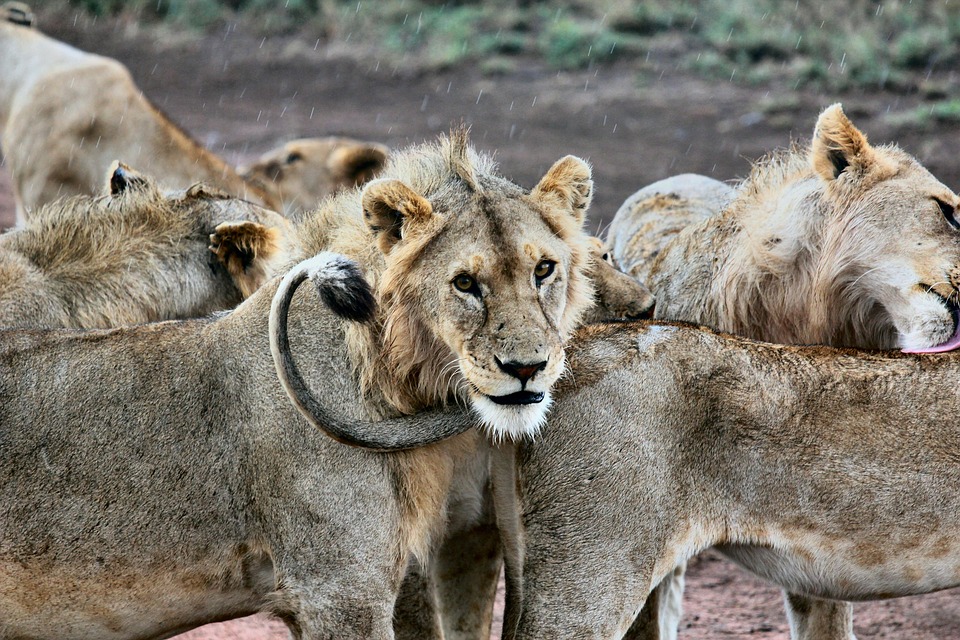
Lions are one of the most iconic and majestic animals in the world. They are known for their incredible strength, powerful roar, and regal appearance. Lions are also one of the most well-studied and researched animals, with scientists constantly learning more about their behavior, social structure, and biology. In this article, we'll explore some of the most interesting and amazing facts about lions, including their physical characteristics, behavior, and way of life.


Physical Characteristics


Lions are the second-largest big cat species in the world, after tigers. Adult male lions can weigh up to 550 pounds, while females can weigh up to 400 pounds. Adult males can also be up to 10 feet long, including their tail, while females are slightly smaller at around 9 feet long.


One of the most striking physical characteristics of lions is their mane. Male lions have a large, thick mane that covers their head and neck, while females have a shorter, less noticeable mane. The color of a lion's mane can range from blonde to black, and its length and thickness can indicate its age, health, and dominance within a pride.


Lions have a muscular body and short fur that is usually light tan or golden brown, with white underparts. They have sharp claws and teeth that they use to catch and kill their prey, which can include antelope, wildebeest, zebra, and buffalo.


Behavior


Lions are social animals that live in groups called prides. A pride can consist of up to 30 lions, including adult males, females, and cubs. Within a pride, the females are usually the ones that hunt for food, while the males protect the territory and mate with the females.


Lions are very territorial animals and will fiercely defend their pride and territory from other lions. They communicate with each other through a variety of vocalizations, including roars, grunts, growls, and moans. Lions are also known to mark their territory with urine and by rubbing their scent glands on trees, bushes, and other objects.


One of the most impressive aspects of lion behavior is their hunting strategy. Lions are ambush predators that work together to catch their prey. They use their stealth and strength to sneak up on their prey, and then launch a coordinated attack. Typically, lionesses will work together to chase and trip their prey, while the male lion uses its strength and powerful jaw to deliver the killing blow.


Way of Life


Lions are found in many parts of sub-Saharan Africa and in some parts of India. They prefer open savannahs, grasslands, and scrublands, where they can easily hunt for prey and have enough space to roam.


Lions are apex predators, which means that they have no natural predators in the wild. However, they face threats from humans, including habitat loss, hunting, and poaching. The International Union for Conservation of Nature (IUCN) has classified lions as a vulnerable species, with an estimated 20,000 lions left in the wild.


In captivity, lions can live up to 25 years, while in the wild their lifespan is usually around 15 years. Female lions can give birth to up to six cubs at a time, which they will raise in the safety of the pride. Lion cubs are born blind and helpless, and rely on their mother's milk for the first few months of their life.


Conclusion


Lions are truly remarkable animals that have captured the attention and imagination of people for centuries. Their strength, grace, and majestic appearance have made them one of the most popular animals in the world, while their behavior and biology continue to fascinate scientists and researchers.


As humans continue to encroach on lion habitat and the threat of poaching and hunting remains, it's important that we do everything we can to protect these magnificent animals and ensure that they continue to thrive in the wild. By learning more about lions and spreading awareness about their plight, we can help to ensure a bright future for these iconic creatures.

Complete facts about Dogs

Dogs have been man's best friend for over 15,000 years. They are loyal, affectionate, and loving creatures that have truly earned their ...